
A Day at Sea in Milos: The Experience Every Visitor Should Have

Milos is widely known for its volcanic scenery, colourful fishing villages and distinctive beaches. Yet the island takes on a different character when viewed from the water. A day at sea in Milos brings together dramatic coastal landscapes, clear swimming areas and quieter moments away from busy roads and beaches. Instead of moving between locations by car, visitors can follow the coastline and see how caves, rock formations and open stretches of the Aegean connect with one another. The experience is not defined by a single destination. Kleftiko, Sykia, Polyaigos and Manolonisi may become highlights, but the movement between them is equally important. Time on board allows visitors to relax, enjoy the scenery and share the journey with the people travelling alongside them. Milos Sailways offers private cruises for groups of up to ten guests, with an emphasis on privacy, onboard comfort and attentive service. Depending on the selected experience and sea conditions, the journey may focus on western Milos and Kleftiko or on the clear waters around Polyaigos. Seeing Milos from a different perspective Exploring the island from land gives visitors access to villages, beaches and viewpoints. Travelling by boat, however, reveals sections of the coastline that are difficult to approach or fully appreciate from shore. From the water, the scale of the cliffs becomes clearer. Caves appear as part of a broader coastal formation rather than as isolated landmarks, and the changing colours of the sea become more visible as the boat moves between different areas. This perspective also helps visitors understand how strongly the character of Milos is connected to the Aegean. The island is not simply surrounded by water; many of its most memorable landscapes have been shaped by it. The article Milos Boat Tour: The Best Way to Discover the Island by Sea explores this connection in greater detail and explains why coastal travel offers such a complete introduction to Milos. Kleftiko and the landscape of western Milos Kleftiko is often one of the first places visitors associate with a boat journey around Milos. Its white rock formations, natural arches and sea passages create one of the island’s most recognisable landscapes. Approaching the area by boat allows the scenery to appear gradually. The formations become larger as the vessel moves closer, revealing openings and details that are not always clear in photographs. Swimming near Kleftiko adds another dimension to the visit. Guests can experience the clear water and surrounding rock formations at sea level rather than observing them only from a distance. A route through western Milos may also reveal Sykia and other dramatic parts of the coastline. Together, these locations create a journey centred on caves, geology and impressive natural scenery. Polyaigos and a quieter atmosphere A cruise towards Polyaigos offers a different type of day at sea in Milos. The surroundings feel more open and peaceful, while the clear turquoise water encourages swimming and relaxation. Nearby Manolonisi can add another calm stop to the journey. Rather than focusing mainly on dramatic caves and cliffs, this route places greater emphasis on the colour of the sea and the natural tranquillity of the area. For travellers who want to slow down and spend more time in the water, Polyaigos can be particularly appealing. The lack of a busy coastal environment strengthens the feeling of distance from everyday activity. The choice between western Milos and Polyaigos should therefore depend on the interests of the group. One route highlights striking formations, while the other offers a calmer maritime setting. Why the journey is more than sightseeing A day at sea should not feel like a race between attractions. The time spent travelling between stops creates the rhythm of the experience. Guests can watch the coastline change, rest on board or talk with their companions without dealing with repeated road journeys and parking. Each section of the route becomes part of the day rather than simply a transfer to the next destination. This slower rhythm creates a more balanced experience. Swimming, sightseeing, food and relaxation are not treated as separate activities. They become connected parts of the same journey. The route may include well-known locations, but the quieter moments often become equally memorable. Watching the island from the deck or sharing a meal at sea can leave as strong an impression as visiting a famous cave. The value of a private cruise A private cruise changes the atmosphere of a day at sea in Milos. The boat is reserved for one group, allowing couples, families or friends to experience the journey without unrelated passengers. This creates more personal space and a calmer environment on board. Guests can relax, swim and enjoy the meal with people they know, rather than constantly adapting to the pace of a larger excursion. Privacy also allows the day to feel more personal. The experience is shared within the group, creating memories that are connected not only with the destination but also with the company. For a closer look at the benefits of this format, Private Boat Tours in Milos: A More Personal Way to Experience the Aegean explains how privacy, attentive service and onboard comfort can shape the journey. Food, drinks and time to relax The onboard experience matters because guests spend much of the day on the boat. Comfortable spaces, shade and practical facilities contribute to how relaxed the journey feels. Food and drinks also help create a complete experience. A meal inspired by Mediterranean and local flavours gives the group a natural opportunity to sit together and enjoy the surroundings. Guests with allergies or dietary requirements should communicate them before the cruise. This allows the available arrangements to be discussed in advance. Selected equipment may also be available for enjoying the water. Travellers should check what is included when booking so they know what they need to bring themselves. These details may seem less important than the route at first, but they often determine whether the day feels comfortable and well organised. Why conditions at sea matter Every route depends on weather,
Why is Greece emerging as a top destination for Real Estate Investing?
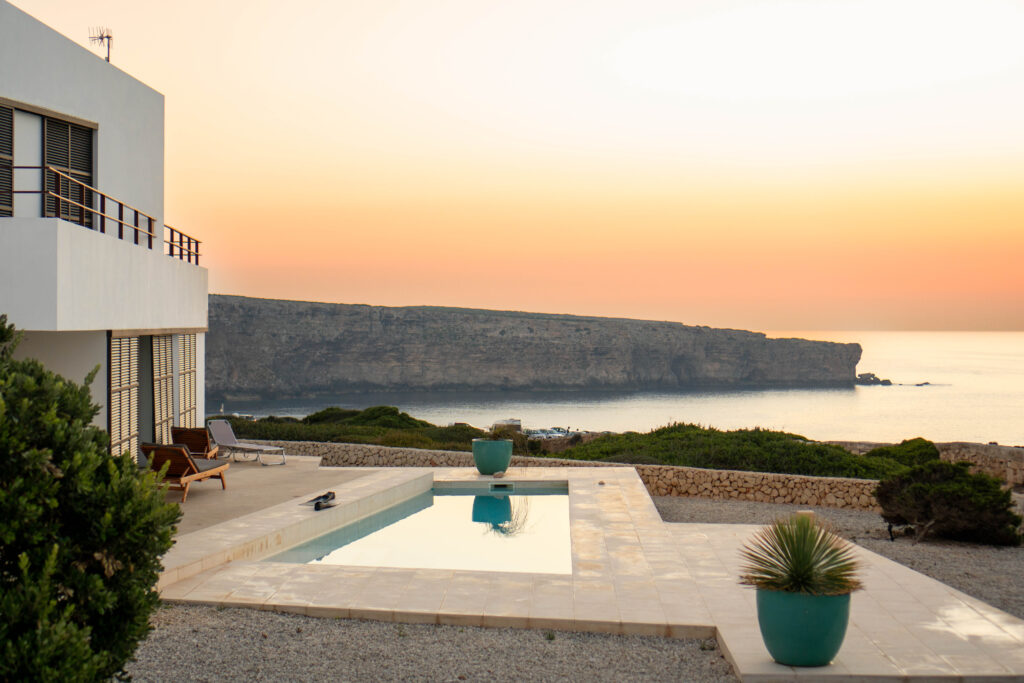
The global investment landscape is shifting, and Greece has firmly positioned itself at the forefront of this transformation. Once viewed primarily through the lens of its ancient history and idyllic summer vacations, the Hellenic Republic has evolved into a powerhouse for Real Estate Investing. In 2026, the market is no longer just recovering; it is maturing into a sophisticated, high-yield environment that attracts institutional investors, digital nomads, and high-net-worth individuals alike. From the dramatic skylines of the Athenian Riviera to the sun-drenched villas of the Cyclades, the Greek property sector offers a unique blend of capital appreciation, stable rental yields, and residency incentives. This article explores the multi-faceted reasons why Greece is currently the most compelling destination for property acquisition in Europe. Economic resilience and structural growth The narrative of the Greek economy has changed from one of crisis to one of consistent outperformance. In 2026, Greece continues to surpass the Eurozone average in GDP growth, driven by robust domestic consumption and record-breaking foreign direct investment (FDI). Unlike previous cycles driven by speculative bubbles, the current demand for property is grounded in structural improvements. The upgrade of Greece’s credit rating to investment grade has lowered borrowing costs and increased transparency, providing a “green light” for global funds. This economic stability creates a fertile ground for Real Estate Investing, as investors seek safe havens that offer both security and growth potential. The focus has shifted toward long-term value, with a particular emphasis on high-quality construction and sustainable development. The Golden Visa evolution: Quality over quantity The Greek Golden Visa program remains a cornerstone of the market’s international appeal, but its 2026 iteration is more strategic than ever. Recent legislative reforms have increased the investment thresholds in high-demand areas, such as Athens, Thessaloniki, and popular islands, to €800,000, while maintaining a €250,000 entry point for specific categories like commercial-to-residential conversions and restored heritage buildings. These changes have encouraged a more “productive” form of Real Estate Investing. Rather than just buying existing stock, investors are now revitalizing old industrial spaces and historic mansions. This shift not only provides investors with residency and Schengen access but also contributes to urban regeneration. For many, the ability to secure a European lifestyle while participating in the restoration of architectural gems is an opportunity that few other nations can match. The “Ellinikon” effect and infrastructure megaprojects Perhaps no single project symbolizes the future of Greek property more than The Ellinikon. As Europe’s largest urban regeneration project, it is transforming the site of the old Athens airport into a smart city featuring luxury residences, world-class marinas, and vast green spaces. This “metropolitan pole” has created a halo effect, driving up property values across the entire Southern Suburbs. However, the infrastructure boom isn’t limited to the coast. The expansion of the Athens Metro (Line 4) and the completion of the Thessaloniki Metro have opened up new frontiers for Real Estate Investing. Neighborhoods that were previously overlooked are now seeing double-digit appreciation as connectivity improves. Investors who target these transit-oriented developments are finding exceptional value before the full impact of these projects is priced into the market. Might interest you: Investing in Greece: Opportunities, Market Trends and why Real Estate leads the way Real estate investing: The Rise of Short and Long-Term Yields Tourism remains the “heavy industry” of Greece, but it is no longer a three-month summer affair. Strategic efforts to promote year-round travel, city breaks, and medical tourism have stabilized rental demand. Greece consistently ranks among the top global destinations, and in 2026, the demand for high-end short-term rentals continues to outstrip supply. For those focused on Real Estate Investing, this translates to impressive yields. Beyond Airbnb-style rentals, there is a burgeoning market for long-term leases driven by the “Digital Nomad” movement. With the Greek Digital Nomad Visa and tax incentives for remote workers, a new demographic of professionals is seeking premium apartments in Athens and Chania. This shift provides property owners with a diversified income stream, balancing high-season vacation profits with stable, year-round rental income. Comparative value in the European context When compared to other European capitals, Athens offers a remarkable price-to-quality ratio. While prices in London, Paris, and even Lisbon have reached levels that often exclude mid-tier investors, Greece remains accessible. Even with the steady price increases observed over the last five years, the cost per square meter for prime real estate in Athens is significantly lower than in comparable Mediterranean hubs like Barcelona or Milan. This “value gap” is a primary driver for Real Estate Investing. Investors recognize that they can acquire a luxury penthouse with Acropolis views or a beachfront villa for the price of a modest apartment in Western Europe. As the market continues its upward trajectory, the window for these high-value acquisitions remains open, but it is narrowing as international competition intensifies. The digital transformation of the sector One of the historical hurdles to investing in Greece was the perceived “red tape.” However, the digitalization of the Greek state (gov.gr) has revolutionized the transaction process. From digital property transfers to electronic land registries, the process of Real Estate Investing has become significantly more transparent and efficient. Legal and technical due diligence can now be conducted with greater speed and accuracy. This modernization has boosted investor confidence, particularly among North American and Middle Eastern buyers who expect a seamless digital experience. The reduction in bureaucratic friction has turned what was once a daunting task into a straightforward business transaction, allowing investors to focus on asset selection rather than administrative hurdles. Navigating the market with expertise While the opportunities are vast, the Greek market requires a nuanced approach. Success in Real Estate Investing is often determined by the quality of local partnerships and the ability to identify “off-market” gems. This is particularly true in the luxury segment, where discretion and hyper-local knowledge are paramount. As a premier luxury real estate agency, Luxury Living Athens understands the complexities of this evolving landscape. The agency specializes in curating a portfolio of the city’s most prestigious
Investing in Greece: Opportunities, Market Trends and why Real Estate leads the way
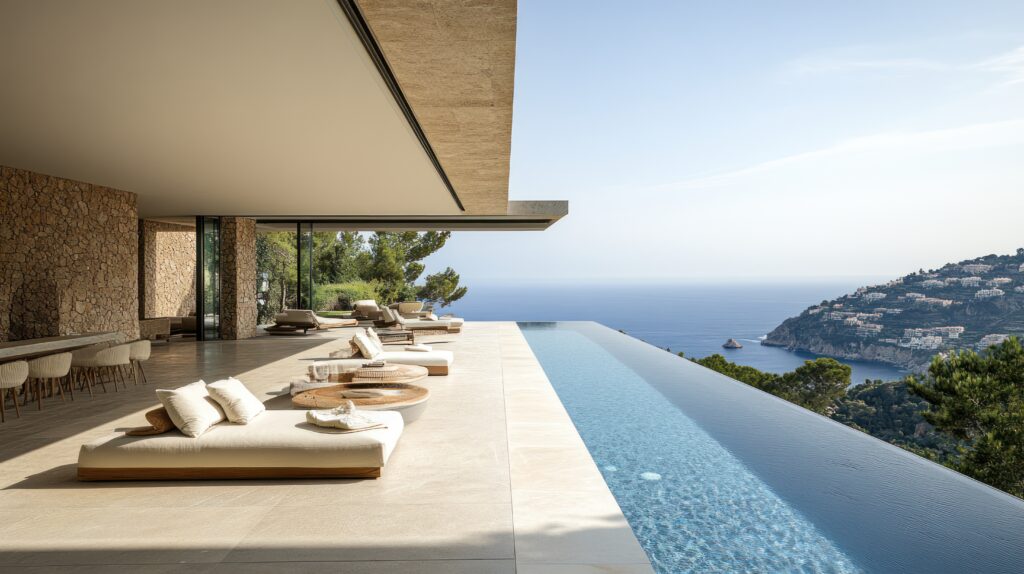
Greece has transitioned from a period of economic recovery into a sophisticated era of structural growth. As of 2026, the nation stands as one of Europe’s most compelling investment destinations, buoyed by a stable political climate, a surge in Foreign Direct Investment (FDI), and a Herculean effort in digital and infrastructural transformation. For global investors seeking both capital appreciation and lifestyle benefits, Investing in Greece has evolved from a speculative venture into a cornerstone of a diversified international portfolio. The Greek economy continues to outperform many of its Eurozone peers, with a GDP growth rate that reflects a resilient tourism sector, a burgeoning tech hub in Athens and Thessaloniki, and a massive influx of European Recovery and Resilience Facility (RRF) funds. These funds, totaling over €35 billion, are being funneled into green energy, digital infrastructure, and sustainable development, creating a fertile ground for institutional and private capital alike. The Macroeconomic Landscape: A new era of stability The narrative of Investing in Greece is no longer defined by the fiscal constraints of the previous decade. Instead, it is characterized by “Investment Grade” status and a transparent regulatory framework. In 2025 and early 2026, the Greek government introduced a comprehensive FDI screening mechanism, aligning with EU standards to protect strategic sectors while fostering a welcoming environment for high-value projects in energy, healthcare, and technology. Market trends indicate a shift toward sustainability and innovation. Greece is rapidly becoming a Green Energy powerhouse in the Mediterranean, with significant investments in wind and solar farms. Furthermore, the digital transformation of the Greek state, often referred to as the “Digital Miracle”, has drastically reduced bureaucracy, making it easier for foreign entities to establish a presence and manage assets remotely. This systematic modernization provides the bedrock of confidence that investors require for long-term commitment. Why real estate remains the dominant investment force While various sectors offer high returns, real estate remains the undisputed leader in the Greek investment hierarchy. The sector enters 2026 on a remarkably solid footing. Residential property prices in Athens and the surrounding Attica region have not only recovered to pre-2008 levels but have established new peaks, driven by a chronic supply shortage and a shift in buyer psychology. The dominance of real estate is attributed to several “perfect storm” factors: Structural Supply Deficit: Experts estimate a shortage of nearly 180,000 housing units across the country. This imbalance creates a natural price floor, protecting the market from significant corrections. Infrastructure-Led Appreciation: Projects like the “Ellinikon” Europe’s largest urban regeneration project and the expansion of the Athens Metro (Line 4) are fundamentally revaluing entire neighborhoods. Yield Resilience: In an inflationary environment, Greek property has proven to be a reliable hedge, with rental yields in prime Athens locations consistently outperforming other Mediterranean capitals. The evolution of the Golden Visa and foreign demand A pivotal factor in the sustained interest in Investing in Greece has been the Golden Visa program. As of 2026, the program has undergone significant reforms to balance investor needs with local housing demand. The introduction of different investment tiers, €800,000 for prime areas like Attica, Thessaloniki, Mykonos, and Santorini, and €400,000 for other regions, has created a “premium” segment of the market. Furthermore, the commercial-to-residential conversion path remains a popular entry point at the €250,000 threshold. These reforms have matured the market, shifting the focus from speculative, small-unit acquisitions to high-quality, spacious residences (minimum 120 sqm for higher tiers). This policy shift ensures that foreign capital contributes to the modernization of the building stock rather than just inflating the prices of existing small apartments. The prohibition of short-term rentals for newly acquired Golden Visa properties in certain zones has also redirected investment toward the more stable, long-term leasing market. Emerging Trends: Beyond the traditional beachfront While the Aegean islands will always hold a certain allure, 2026 marks the rise of “Secondary Cities” and “Urban Regeneration Zones.” Thessaloniki has emerged as a dynamic hub for tech and logistics, offering more competitive entry prices than Athens while boasting a high quality of life. Another significant trend is the rise of “Wellbeing and Lifestyle” properties. Modern investors are no longer looking for just a holiday home, but they are seeking a second base. This has led to a surge in demand for: Sustainable Buildings: A+ energy-efficient green buildings that reduce carbon footprints and operational costs. Remote-Work Readiness: Homes equipped with high-speed fiber optics and dedicated office spaces. Managed Residences: Properties that offer hotel-like amenities and professional management, catering to the “hassle-free” luxury lifestyle. The luxury real estate segment: The “Trophy Asset” allure The luxury segment of the Greek market is currently experiencing its most robust growth phase. In the Athens Riviera, high-spec units in areas like Glyfada and Voula are commanding prices that rival the Côte d’Azur. This “trophy asset” status is not merely about prestige; it is about the scarcity of beachfront land and the exceptional architectural standards being introduced to the market. Investors in 2026 are increasingly focusing on the “Athens Riviera” as a year-round destination. The completion of world-class marinas, luxury resorts (such as the One&Only Aesthesis), and high-end retail districts has transformed the coastal front into a global hotspot. For those investing in Greece, the luxury sector offers the highest potential for capital appreciation, as global ultra-high-net-worth individuals (UHNWIs) continue to seek safe havens in stable, culturally rich European jurisdictions. Navigating the market with Luxury Living Athens Finding the right entry point in such a dynamic environment requires localized expertise and a deep understanding of the regulatory shifts. This is where a specialized luxury real estate agency like Luxury Living Athens plays a critical role. The agency acts as a bridge between international capital and the most exclusive opportunities in the Greek capital. By focusing on high-end residential assets and strategic commercial conversions, Luxury Living Athens, a top-tier luxury real estate Athens ensures that investors are not just buying property, but are securing assets with long-term viability and lifestyle value that transcends standard market fluctuations. Whether the challenge is navigating the